Ankara
About
Discover the history of Ankara
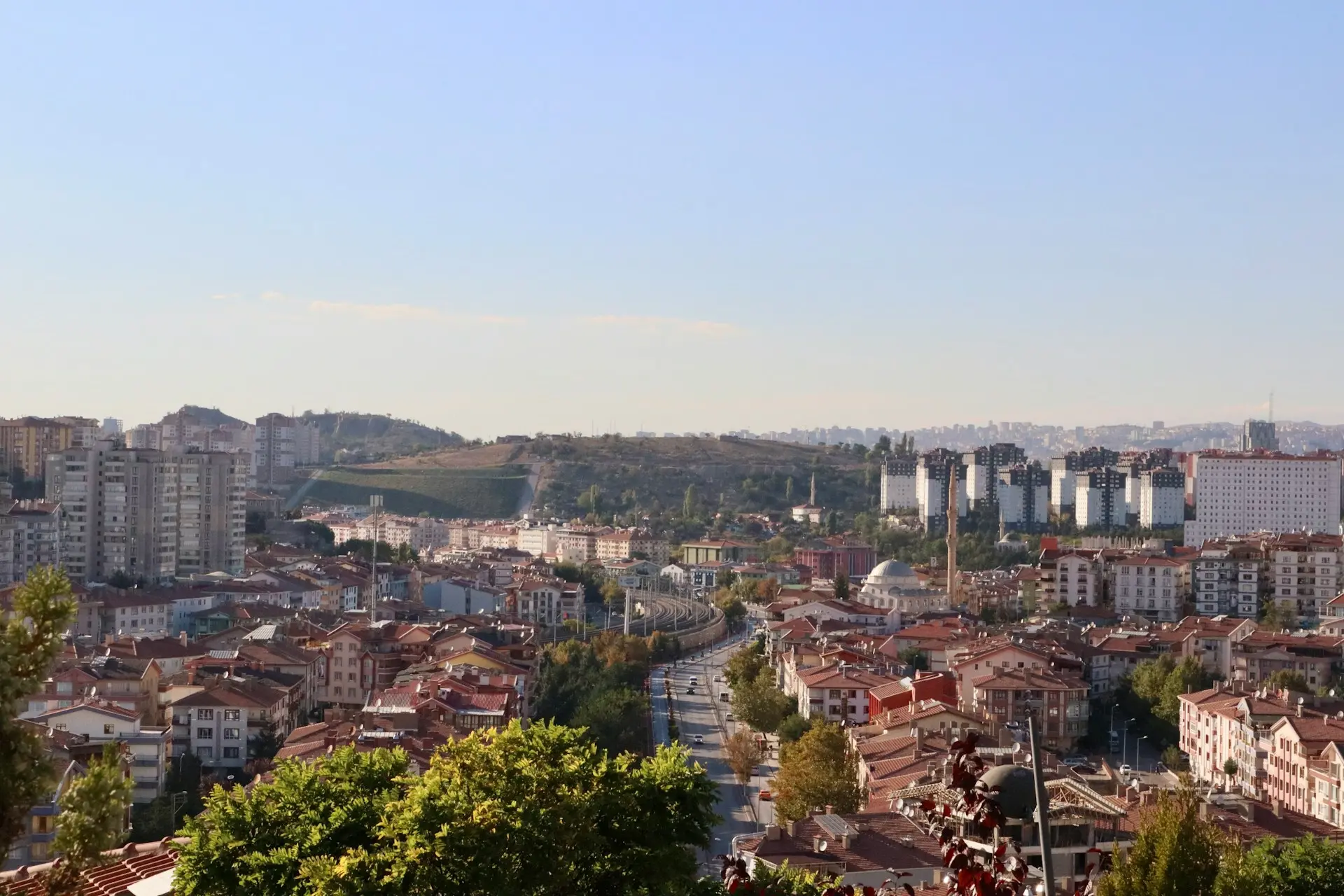
Turkey's capital since 1923, Ankara reads first as a city of state — broad avenues, ministries, embassies — yet it is far older than the republic. A Byzantine citadel still holds the crag, and the climb runs up between wooden houses to ramparts that open onto the whole city. The Museum of Anatolian Civilizations, housed in a fifteenth-century covered market, gathers the finest Hittite collection anywhere, from stone lions to bronze stags. Anıtkabir, Atatürk's mausoleum, imposes its avenue of lions and its courts of pale limestone. Lower down, the Hacı Bayram quarter sets a fifteenth-century mosque against the walls of the Temple of Augustus. The city gave its name to angora wool, and its workshops still sell mohair by the metre. Beyond it opens the Anatolian plateau, with the Tuz salt lake and the Phrygian burial mounds of Gordion.
Travel score
The travel score throughout the year.
January
Very badFebruary
Very badMarch
Very badApril
BadMay
PoorJune
GoodJuly
ExcellentAugust
ExcellentSeptember
GoodOctober
PoorNovember
Very badDecember
Very badThings to do
Discover the best attractions in Ankara and its surroundings
Anıtkabir
Atatürk's mausoleum, completed in 1953 on the Rasattepe hill and approached along an avenue lined with twenty-four Hittite lions. Entry is free and the guard changes on the hour.
Museum of Anatolian Civilizations
Housed in a 15th-century Ottoman bedesten, it holds the world's most complete Hittite collection, from Çatalhöyük to the Phrygian kingdoms. It stands at the foot of the citadel, so the two pair naturally.
Ankara Castle
A Byzantine citadel rebuilt by the Seljuks, its walls reusing Roman blocks and column drums. The ramparts are free to climb, and the Hisar lanes below are lined with coppersmiths' workshops.
Lake Tuz
Turkey's second-largest lake, so shallow that it dries out in summer into a salt crust supplying much of the country's consumption. It lies about two hours' drive south of Ankara; the usual access is the lakeside stop near Şereflikoçhisar, on the Aksaray road.
Beypazarı Houses
A restored Ottoman town of corbelled timber houses, known for its carrots, its mineral water and its eighty-layer baklava. It sits a hundred kilometres north-west of Ankara and fills up at weekends.
Ancient City of Gordion
The Phrygian capital linked to King Midas, UNESCO-listed in 2023 for its burial mounds, one of which holds among the oldest known timber tomb chambers. It lies an hour and a half west of Ankara, via Polatlı.
Other destinations you might like
Nearby picks in the same theme
Some of the text on this page is generated using AI and may contain inaccuracies. Please check important details.Photos and ratings provided by Google Maps