Belgrado
Over
Ontdek de geschiedenis van Belgrado
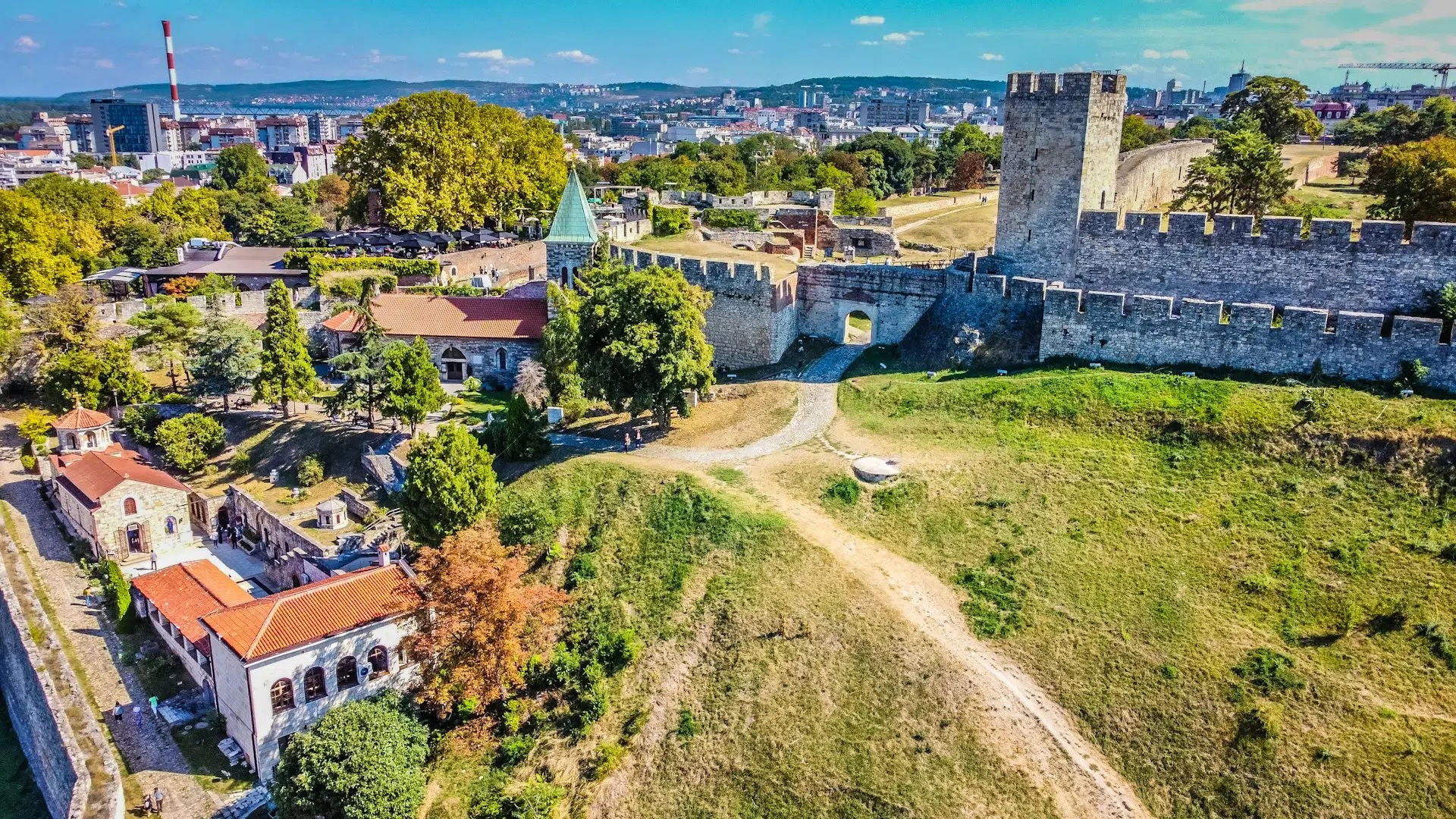
Belgrade stands where the Sava meets the Danube, on a ridge every empire in the region has wanted to hold. The city has been destroyed and rebuilt dozens of times, and it has come out of that blunt, a little rough, with no polish laid on for visitors. The long pedestrian streets fill in the late afternoon, a coffee can last two hours, dinner is late and often comes with live music. It is one of the cheapest capitals in Europe for a night out, and its clubs moored on barges are known well beyond Serbia. The Yugoslav years are still close at hand: the Museum of Yugoslavia and the House of Flowers, where Tito is buried, tell how they ended. The National Museum of Serbia holds medieval icons and frescoes. Around the city the country unfolds its painted monasteries, Studenica Monastery and Žiča Monastery, and its fortresses on the Danube such as Smederevo Fortress.
Reisscore
De reisscore het hele jaar door.
Januari
MatigFebruari
Zeer goedMaart
Zeer goedApril
GoedMei
GoedJuni
GoedJuli
Zeer goedAugustus
Zeer goedSeptember
Zeer goedOktober
Zeer goedNovember
GoedDecember
MatigBezienswaardigheden
Ontdek de beste attracties in Belgrado en omgeving
Church of Saint Sava
Raised on the Vračar plateau, where the Ottomans burned the relics of Saint Sava in 1595, the church was begun in 1935; its central dome was assembled on the ground and lifted into place in 1989. Entry is free, and a staircase leads down to the mosaic-covered crypt.
Belgrade Fortress
Built where the Sava meets the Danube on the site of a Roman camp, the fortress owes its bastions to Austrian and Ottoman engineers of the seventeenth and eighteenth centuries. The ramparts and Kalemegdan park are free to enter; the terrace by the Pobednik statue fills at sunset.
Manasija Monastery
Founded by Despot Stefan Lazarević and completed around 1418, the monastery shelters behind a wall of eleven towers; its frescoes gave their name to the Resava school of painting. It stands near Despotovac, about 130 kilometres southeast of Belgrade.
Studenica Monastery
Founded by Stefan Nemanja in the 1180s and a UNESCO site since 1986, the monastery centres on a white-marble Church of the Virgin whose frescoes of around 1209 count among Serbia's oldest. It hides in the Ibar valley south of Kraljevo, some 200 kilometres from Belgrade.
Žiča Monastery
The thirteenth-century coronation church of the Serbian kings, founded by Stefan the First-Crowned and first seat of the Serbian archbishopric, still wears its deep-red façade. The monastery stands just outside Kraljevo, about 170 kilometres south of Belgrade.
National Museum of Serbia
Founded in 1844 and reopened in 2018 after a fifteen-year renovation, the museum on Republic Square runs from the prehistoric figures of Lepenski Vir to Serbian and European painting; its greatest treasure is the twelfth-century Miroslav Gospel.
Andere bestemmingen die je misschien leuk vindt
Suggesties in de buurt binnen hetzelfde thema
Een deel van de tekst op deze pagina is met AI gemaakt en kan onjuistheden bevatten. Controleer belangrijke gegevens.Foto's en beoordelingen van Google Maps